5 “Non-Toxic” Brands That Are Actually Toxic
When it comes to skin cancer, some of the most significant contributors to melanoma and long-term chemical exposure have nothing to do with skincare products.
They’re the household products we use every single day.
Over the last decade, “non-toxic,” “clean,” and “eco-friendly” labels have exploded. These claims feel reassuring, but here’s the truth.“Non-toxic” is not a regulated term. There’s no universal standard for what qualifies as non-toxic, which means many products labeled this way are purely for marketing.
What to Look for On Ingredient Labels
When I evaluate products for myself and my family, I consistently look for a few things:
Honest ingredient lists
Fewer synthetic fragrances and harsh preservatives
Less residue left behind on skin or released into air
Here are 5 product categories we use daily that are often marketed as “non-toxic” but are actually TOXIC (and my pick for safer alternatives).
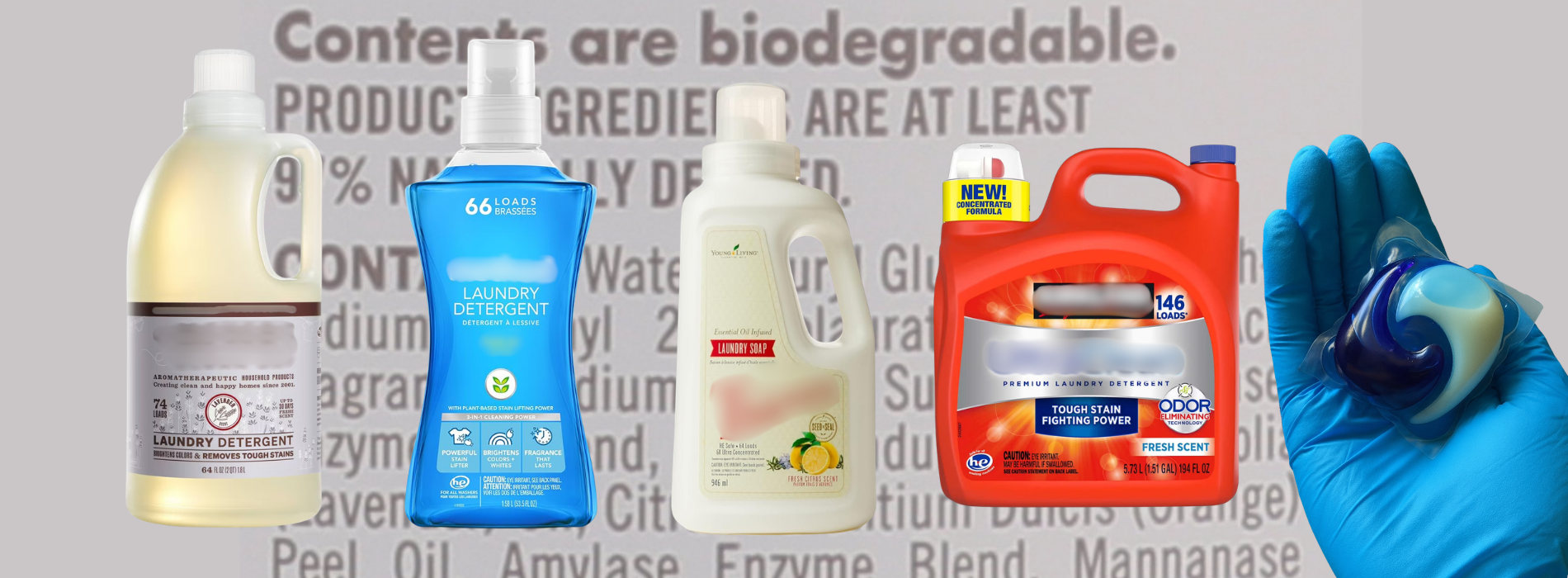
1. Liquid Laundry Detergents & Laundry Pods
Literally Almost Every Detergent Brand - Risk: 9.5/10
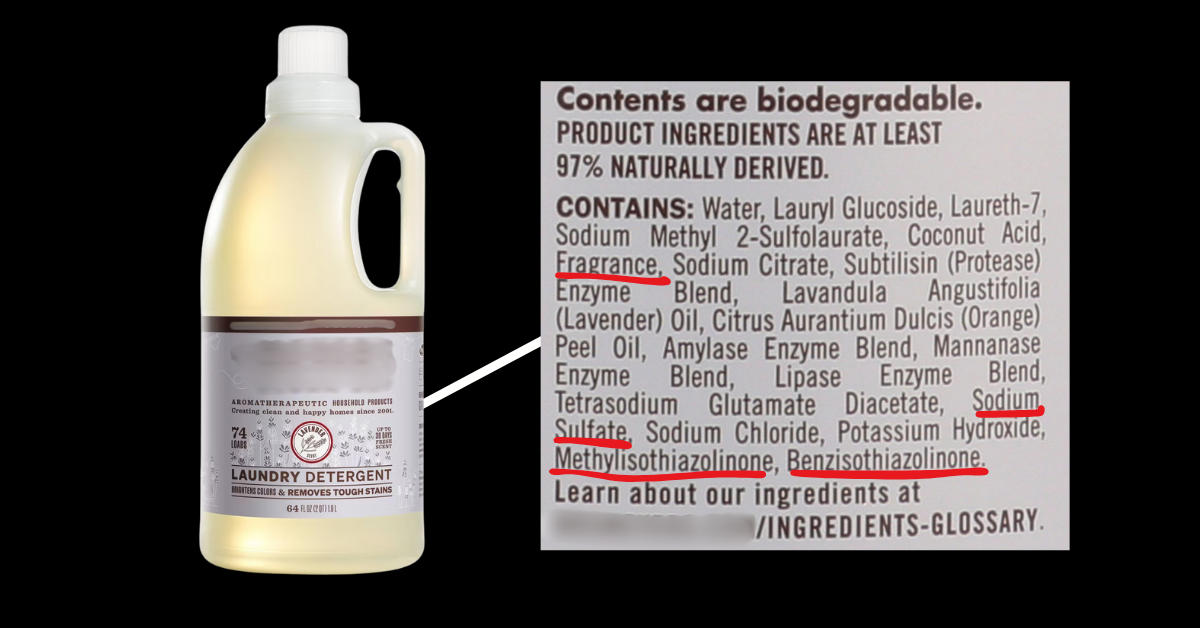
Laundry detergent residue stays on clothing, towels, sheets, and underwear, meaning exposure is basically 24/7. Out of all the product categories, laundry detergent can be the most dangerous because of the cumulative exposure over time.
Why people see them as “non-toxic”:Many brands are labeled as “dermatologist-tested” or “gentle,” and marketed as safe, but they’re not.
Ingredients that are in nearly all detergents:
1,4-dioxane - linked to cancer and does not always appear on ingredient labels
Synthetic fragrance - contains Volatile Organic Compounds (VOCs)
Optical brighteners - linked to hormone disruption
Try this safer swap: Clean People Laundry Sheets
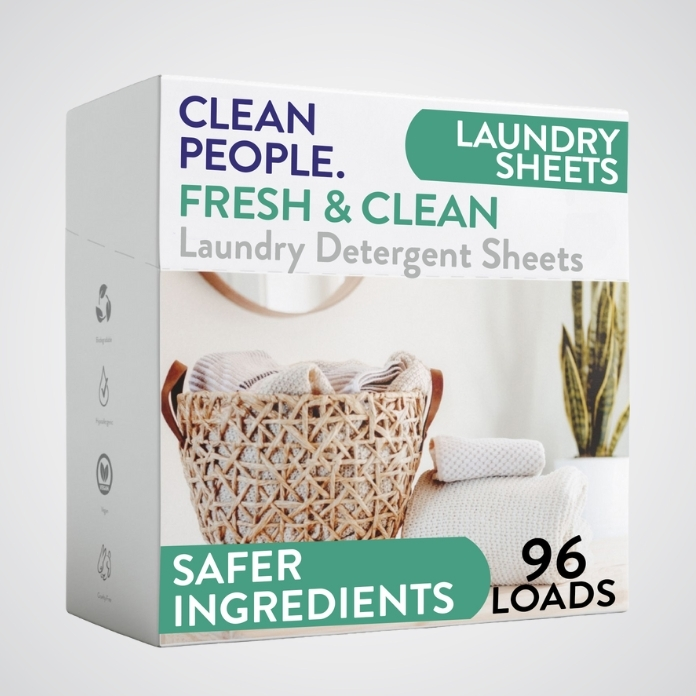
No harsh fragrance
No optical brighteners
No 1,4-dioxane
No plastic jugs
Designed to rinse clean with minimal residue
This is one of the easiest and most important swaps to make, so I suggest people switch this out ASAP. For more details, check out the Top 5 Detergents to avoid toxic ingredients here.
2. Shampoo
Function of Beauty - Risk: 8/10
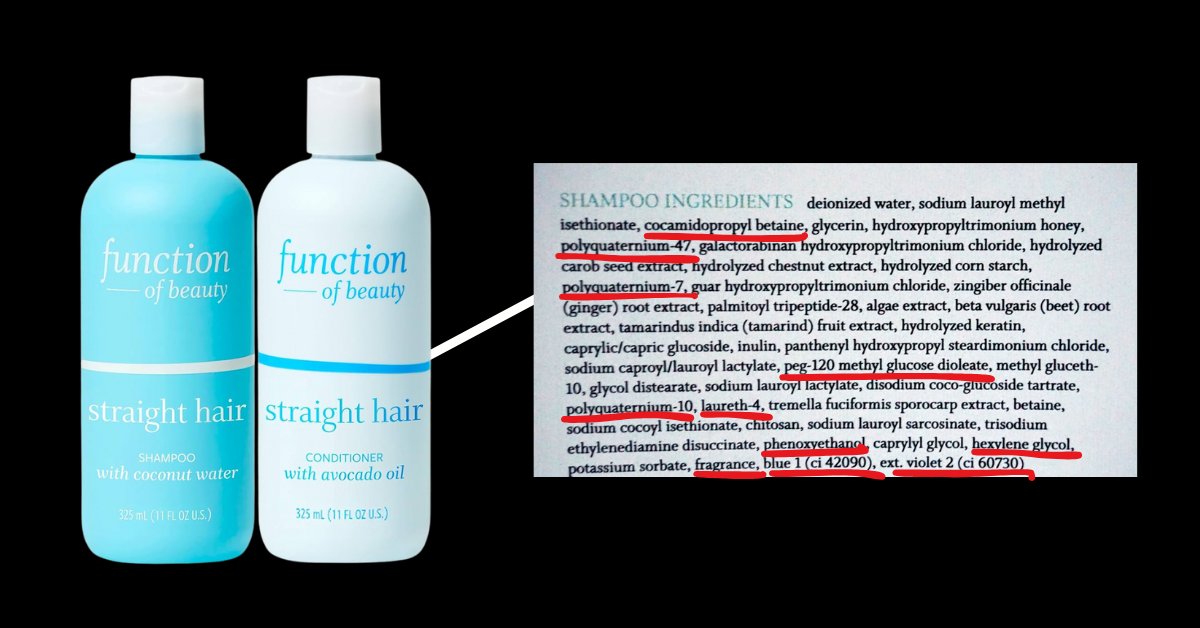
Shampoo is used frequently and applied directly to the scalp. It also rinses into warm shower air, increasing inhalation exposure to VOCs in enclosed spaces.
Why people see it as “non-toxic”:Custom formulas and clean aesthetics create the impression of a safer, more personalized product.
Ingredients to avoid:
Fragrance blends
Preservatives that may irritate sensitive scalps
Significant variability depending on customization choices
Try this safer swap: Acure
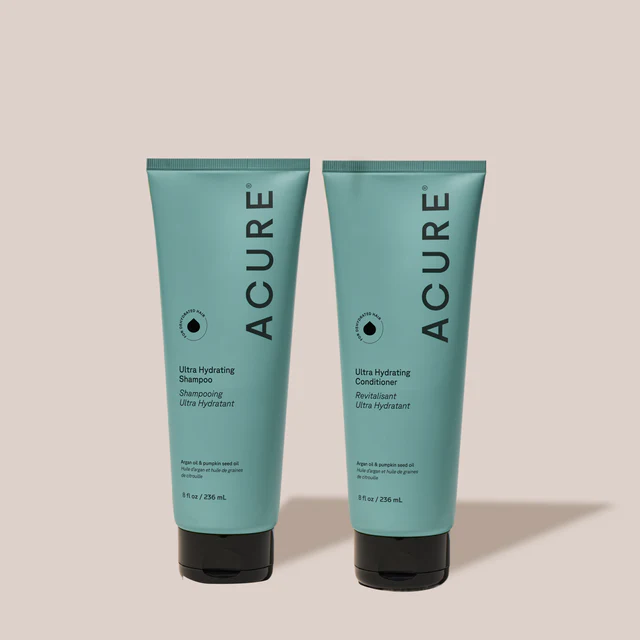
Vegan, cruelty-free, and sulfate-free
Great for all hair types
3. Deodorant Sprays
Dove & Secret Aerosol Deodorants - Risk: 7.5/10
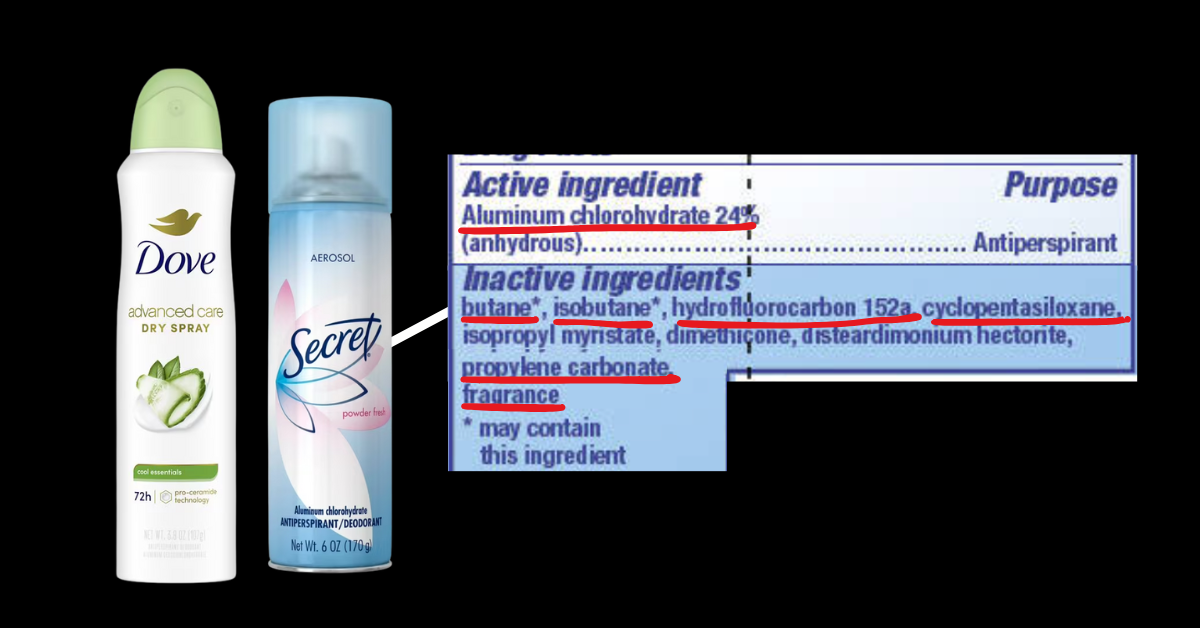
Deodorant is applied daily, used near lymph nodes and breast tissue, increasing cancer risk.
Why people see them as “non-toxic”:These products are widely marketed as gentle, dermatologist-tested, and suitable for everyday use, but many of the ingredients are linked to cancer.
Ingredients to avoid:
Aluminum salts
Synthetic fragrances
Aerosol delivery, which increases inhalation exposure
Try this safer swap: Evolve Together
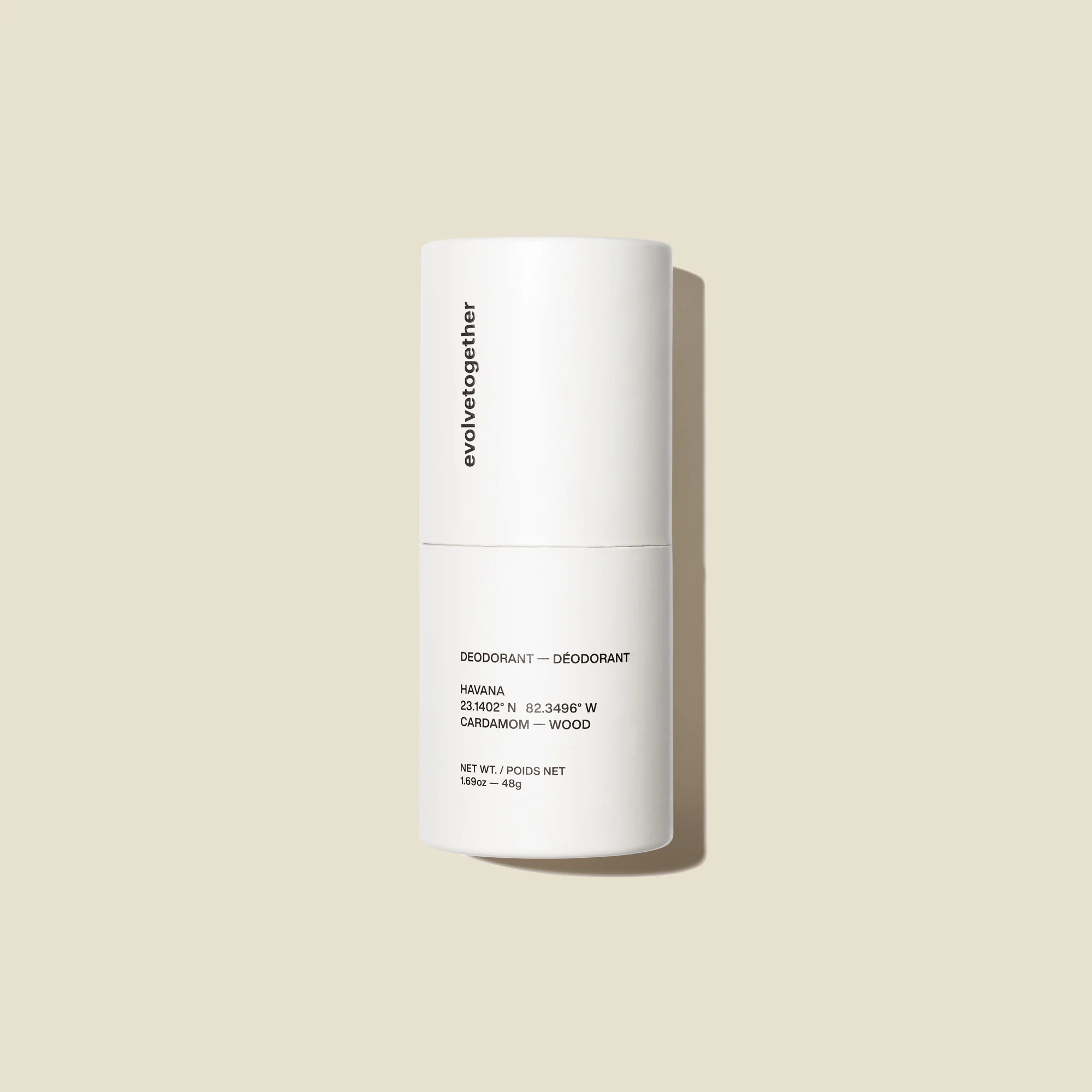
Non-aerosol deodorants
No Aluminum, Talc, or Baking Soda
4. Hand Soap
Mrs. Meyer’s Clean Day Hand Soap - Risk: 7/10
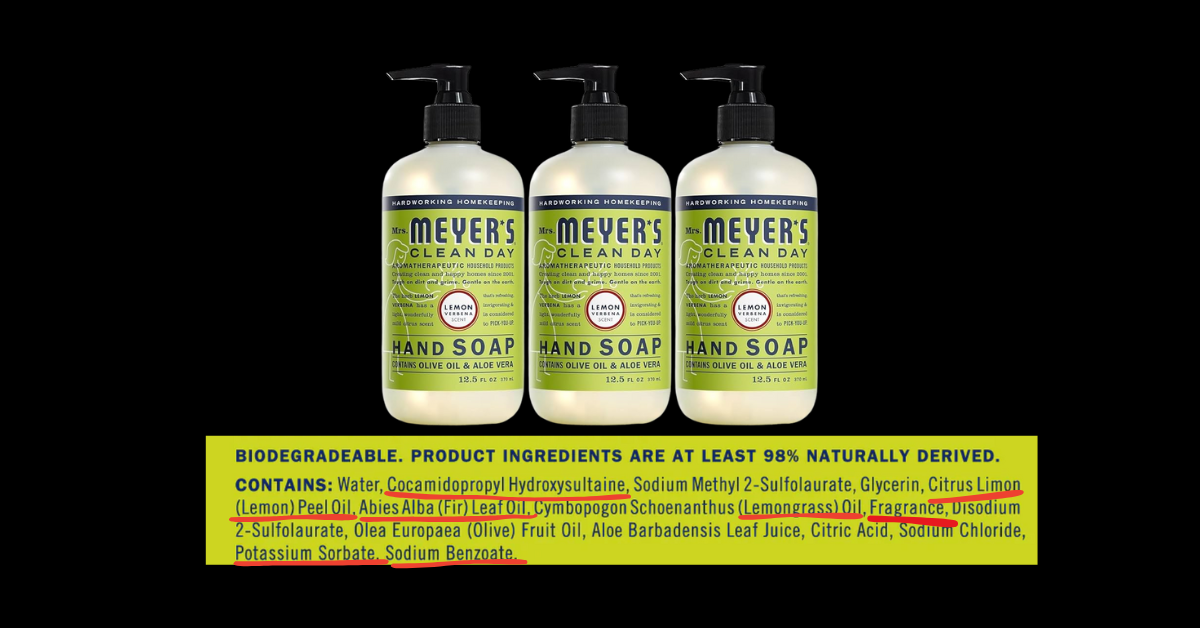
Hand soap is used multiple times per day, resulting in direct, repeated skin exposure — particularly for children and people with sensitive skin.
Why people see it as “non-toxic”:Plant-based language, essential-oil-inspired scents, and strong brand trust give the impression of a cleaner option, but the preservatives in this brand should be avoided.
Ingredients to avoid:
Synthetic fragrance blends
Methylisothiazolinone (MIT), a known skin sensitizer
Try this safer swap: Clean People Hand Soap
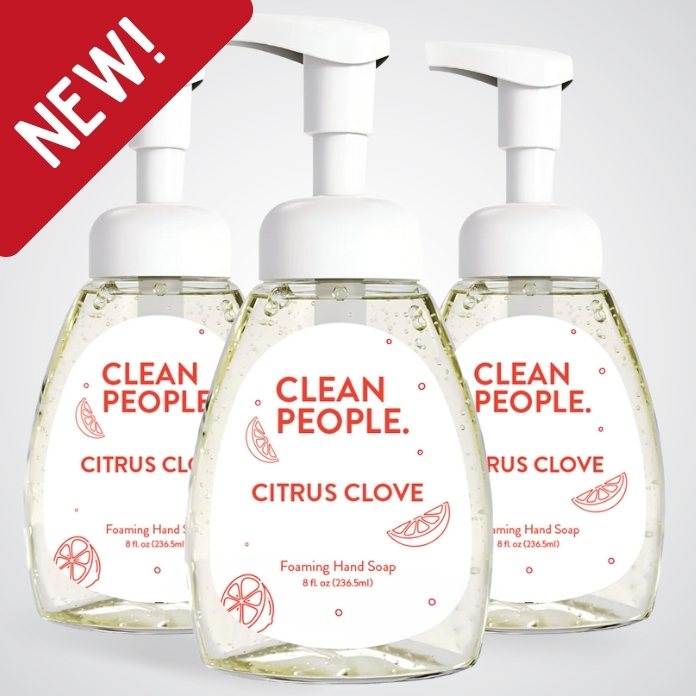
No synthetic fragrance
No MIT/BIT preservatives
Fewer unnecessary additives
This is another simple, low-effort swap that can significantly reduce daily exposure.
5. Candles
Yankee Candle - Risk: 6.5/10
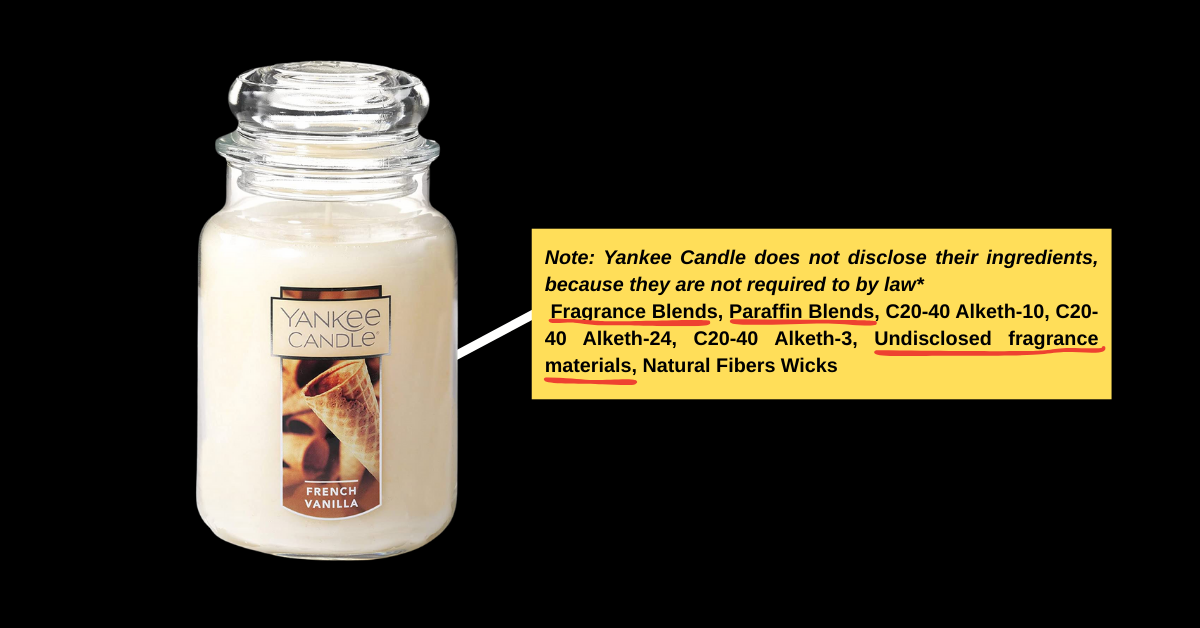
Prolonged inhalation exposure often in enclosed spaces can be problematic for people with migraines or respiratory problems.
Why people see them as “non-toxic”:Candles are marketed for relaxation, stress relief, and ambiance. Claims like “clean burn” or soy-wax blends can sound reassuring.
Ingredients to avoid:
Synthetic fragrance oils
Petroleum-based or blended waxes
Release of toxic VOCs into indoor air
Try this safer swap: Fontana Candles
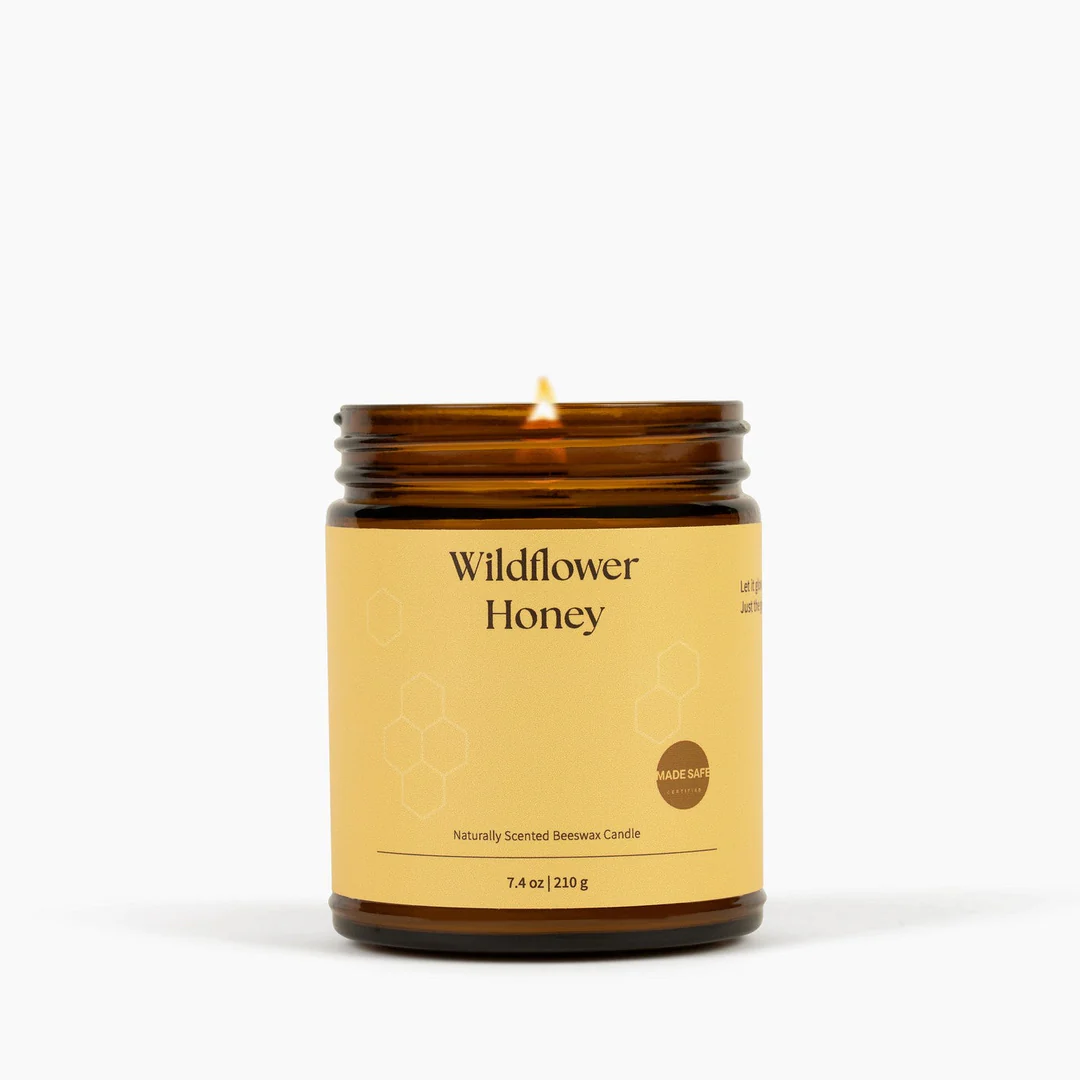
Beeswax
Light essential oil fragrance
Untreated wooden wick
Where to Start
If you’re deciding where to begin with non-toxic swaps, laundry detergent is often the simplest and most accessible place to start.
CLEAN PEOPLE Laundry Detergent is a safer option because it cleans well, uses plastic-free packaging, has no 1,4 dioxane, SLS/SLES, parabens, phosphates, sulfates, synthetic dyes, and no optical brighteners! I use Clean People in my home and love it.
You can get a Buy 1, Get 1 FREE right now with Coupon Code BOGO.